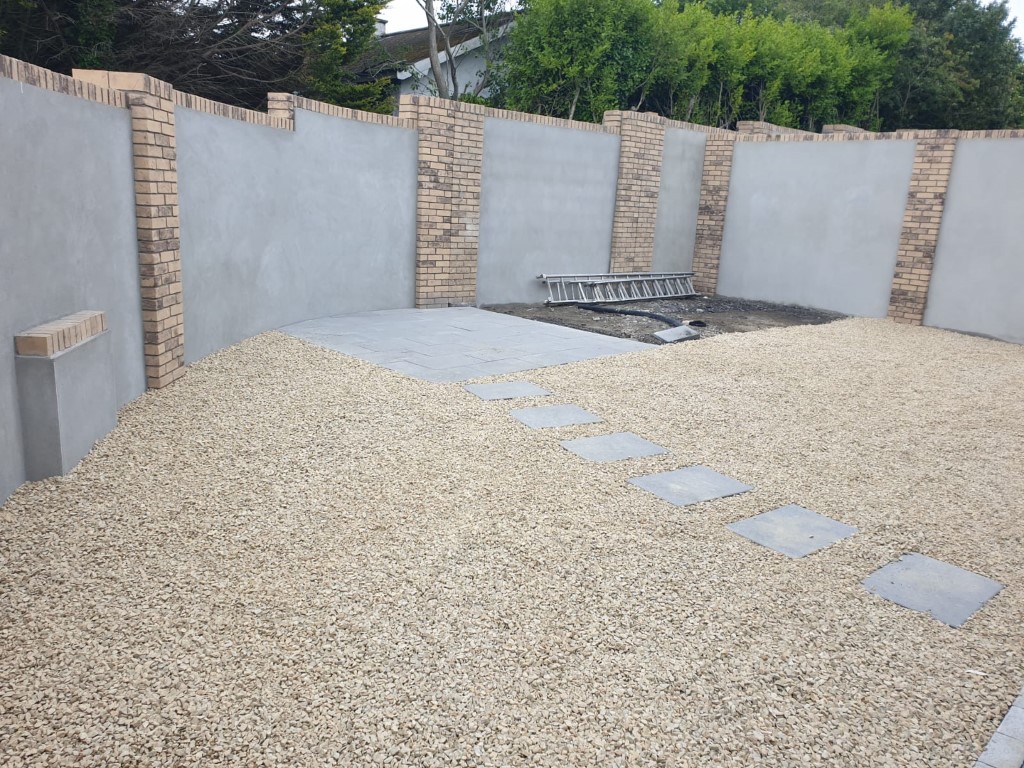
Proper edging prevents gravel from spreading onto lawns and paths. Without containment, loose stones migrate across your property, creating maintenance headaches and visual mess.
Edge restraints keep your driveway defined and functional. They also reduce long term maintenance costs by containing expensive aggregates within the designated area.
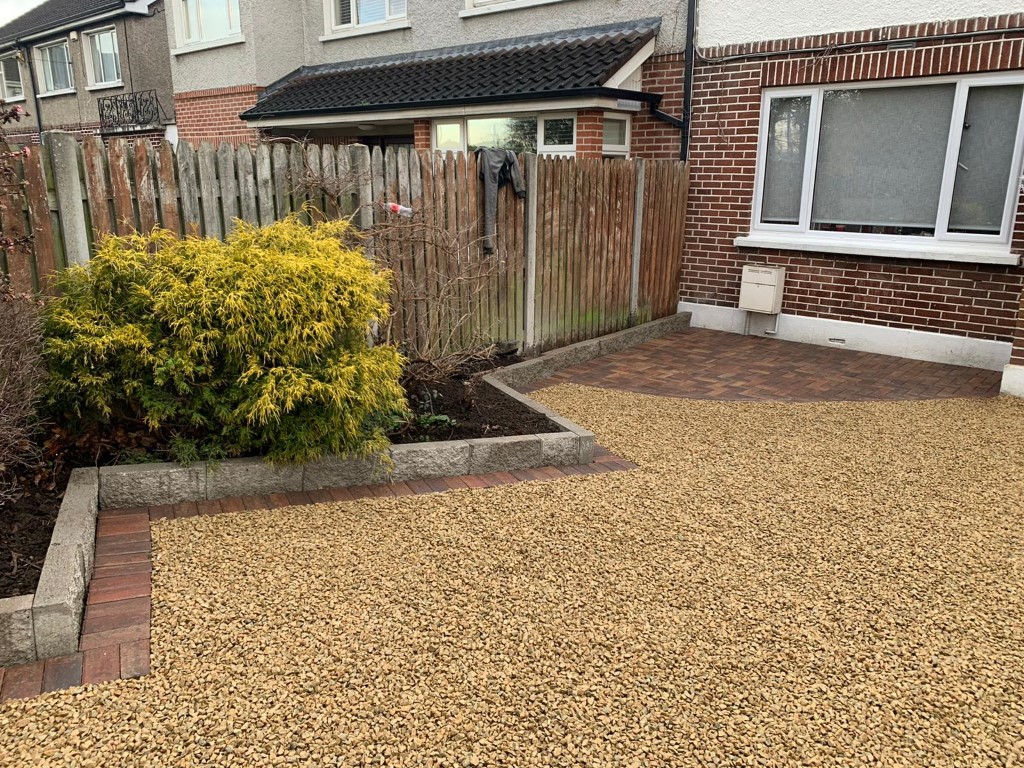
Block paving edging creates clean boundaries and prevents gravel from spreading onto adjacent areas. This border system requires precise measurements and proper installation techniques. When professional contractors undertake installation projects, they ensure the edging integrates seamlessly with the overall driveway design and meets sustainable drainage requirements.
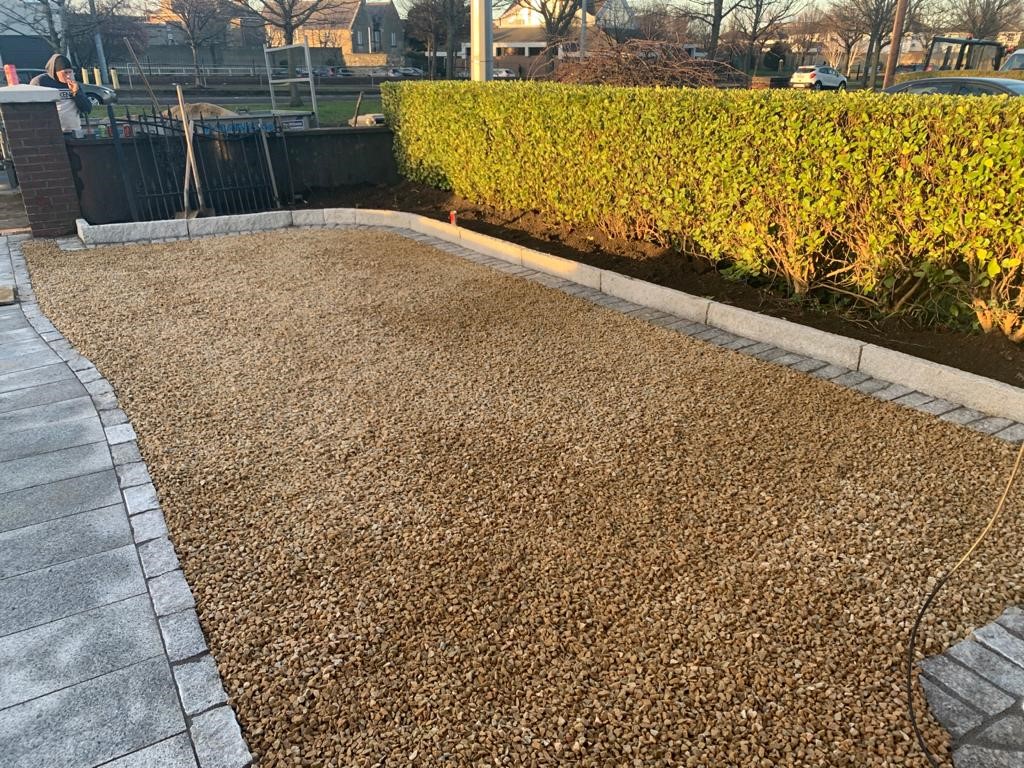
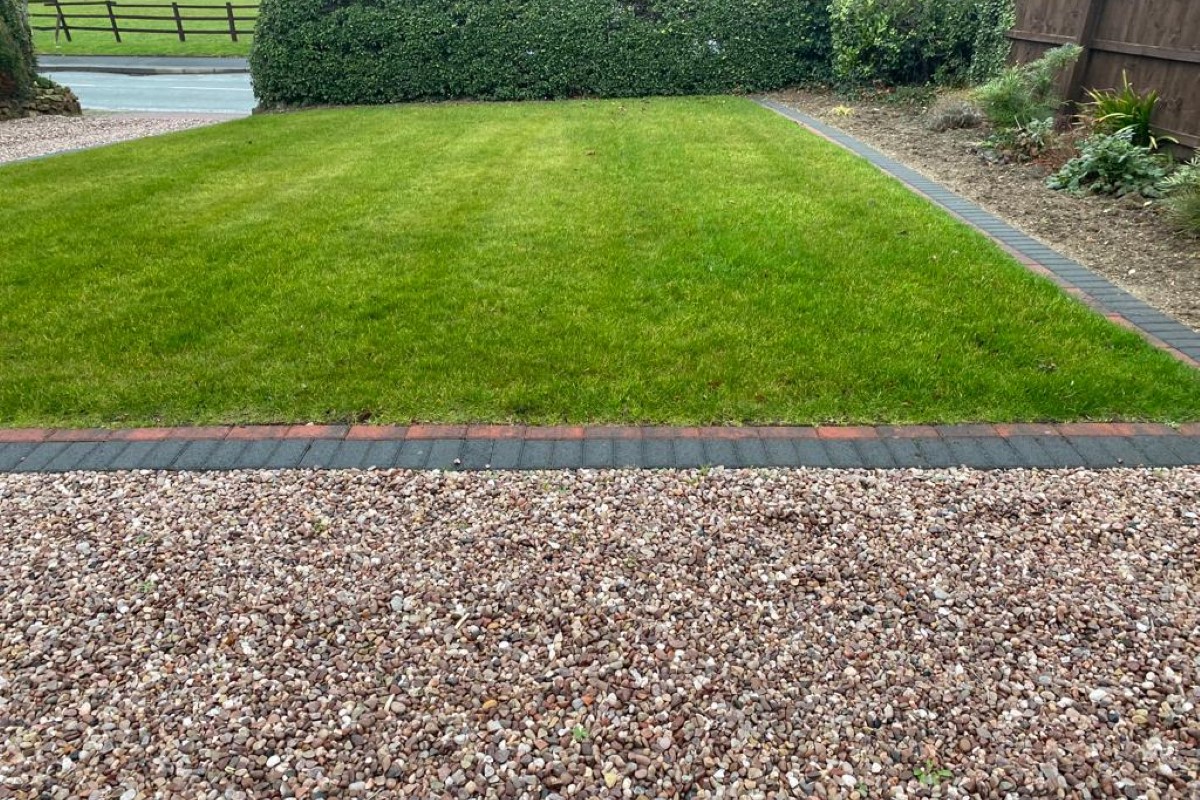
Concrete blocks create the most durable boundary. Standard kerb units measure 915mm long and 150mm high. They require a concrete foundation for stability.
Clay pavers offer a softer appearance than concrete. Choose colours that complement your home’s exterior materials for visual harmony.
Steel and Aluminium Options
- Flexible steel strips bend around curves easily
- Powder coated finishes resist weathering
- Height ranges from 75mm to 150mm
- Installation requires minimal excavation
Natural Stone Edging
Yorkstone setts suit period properties in Darlington’s conservation areas. Each piece measures approximately 100mm x 100mm with natural variations in thickness.
Sandstone kerbs provide uniform dimensions with rustic texture. Local quarries supply materials that match regional building styles.
Timber Considerations
Treated softwood sleepers cost less than stone alternatives. Expect replacement every 8 to 12 years depending on ground contact conditions.
Hardwood options like oak last longer but require higher initial investment. Regular oiling maintains appearance and extends lifespan.